
Fixed vs variable mortgage choices in Southern Alberta are more complex than just comparing interest rates. Your decision hinges on factors like payment stability, risk tolerance, and how long you plan to stay in your home. Understanding these details can save you thousands and avoid surprises down the road. Let’s break down the key points you need to weigh before locking in your mortgage strategy. For more information, you can refer to this guide.
Understanding Fixed vs. Variable Mortgages
Deciding between fixed and variable mortgages is a key step in your home-buying journey. Each has unique features and benefits to consider.
Fixed Rates: Stability and Predictability
Fixed rates offer consistent payments. You lock in a rate, and your payments stay the same. This is great if you like to plan ahead and avoid surprises. A fixed-rate mortgage protects you from rising interest rates, ensuring peace of mind. Your budgeting becomes easier, as you always know what to expect each month.
For those who prioritize stability, fixed rates are appealing. They allow you to focus on other financial goals without worrying about fluctuating payments. Families and first-time buyers often prefer this option. In uncertain economic times, fixed rates can be a comforting choice.
Variable Rates: Flexibility and Risks
Variable rates can be a bit like a roller coaster. They change with the market, which means your payments might go up or down. The appeal here is that you might pay less if rates drop. For some, the initial lower rates are worth the gamble.
However, variable rates require a certain level of comfort with uncertainty. If you’re okay with adjusting as the market shifts, this could be the route for you. It’s crucial to keep an eye on the prime rate, as it impacts your payment. Those who anticipate a drop in rates might benefit the most from variable options.
Key Differences Beyond Interest Rates
Looking past just the rates is essential. Fixed and variable mortgages differ in how they handle future changes. Fixed rates give you consistency, while variable rates offer potential savings. When rates are expected to climb, fixed options provide security. But if you foresee a stable or dropping rate environment, variables might save you money.
Consider how long you plan to stay in your home. Short-term owners might lean towards variable rates for potential savings. Long-term owners often prefer the unwavering nature of fixed rates. It’s all about aligning your choice with your financial strategy and comfort level.
Factors Influencing Mortgage Choice

Your mortgage decision isn’t just about rates. Several personal factors come into play when choosing the right mortgage for you.
Payment Stability and Cash Flow Management
Your financial comfort zone matters. Fixed rates offer predictable payments, helpful for consistent cash flow management. For those with tight budgets, this consistency prevents financial strain. You won’t have to worry about payments increasing unexpectedly.
Variable rates, on the other hand, introduce flexibility. If your income can handle fluctuations, you might benefit from lower payments during rate drops. Evaluate your cash flow before deciding. A steady income might make variable rates manageable, while variable income might favor the predictability of fixed rates.
Risk Tolerance and Time Horizon Considerations
Your comfort with risk affects your choice. Fixed rates suit those who prefer certainty. They eliminate the worry of market changes impacting your payments. If you plan to stay long-term, the predictability of fixed rates is reassuring.
Variable rates can be enticing if you have a higher risk tolerance. They’re suitable for the short term, especially if you anticipate rate decreases. If you might move or refinance soon, variable rates could save you money. Consider your future plans and how they align with each option.
Penalties, Prepayment, and Portability Options
Understanding terms like penalties and prepayment is crucial. Fixed-rate mortgages might impose penalties for early payment. If flexibility is important, check the prepayment options. Some variable-rate mortgages allow more prepayment without penalties.
Portability is another factor. If you plan to move, a portable mortgage can save you from penalties. Both fixed and variable mortgages offer this, but options vary. Read the fine print to ensure your mortgage matches your future plans.
Making Informed Decisions in Southern Alberta
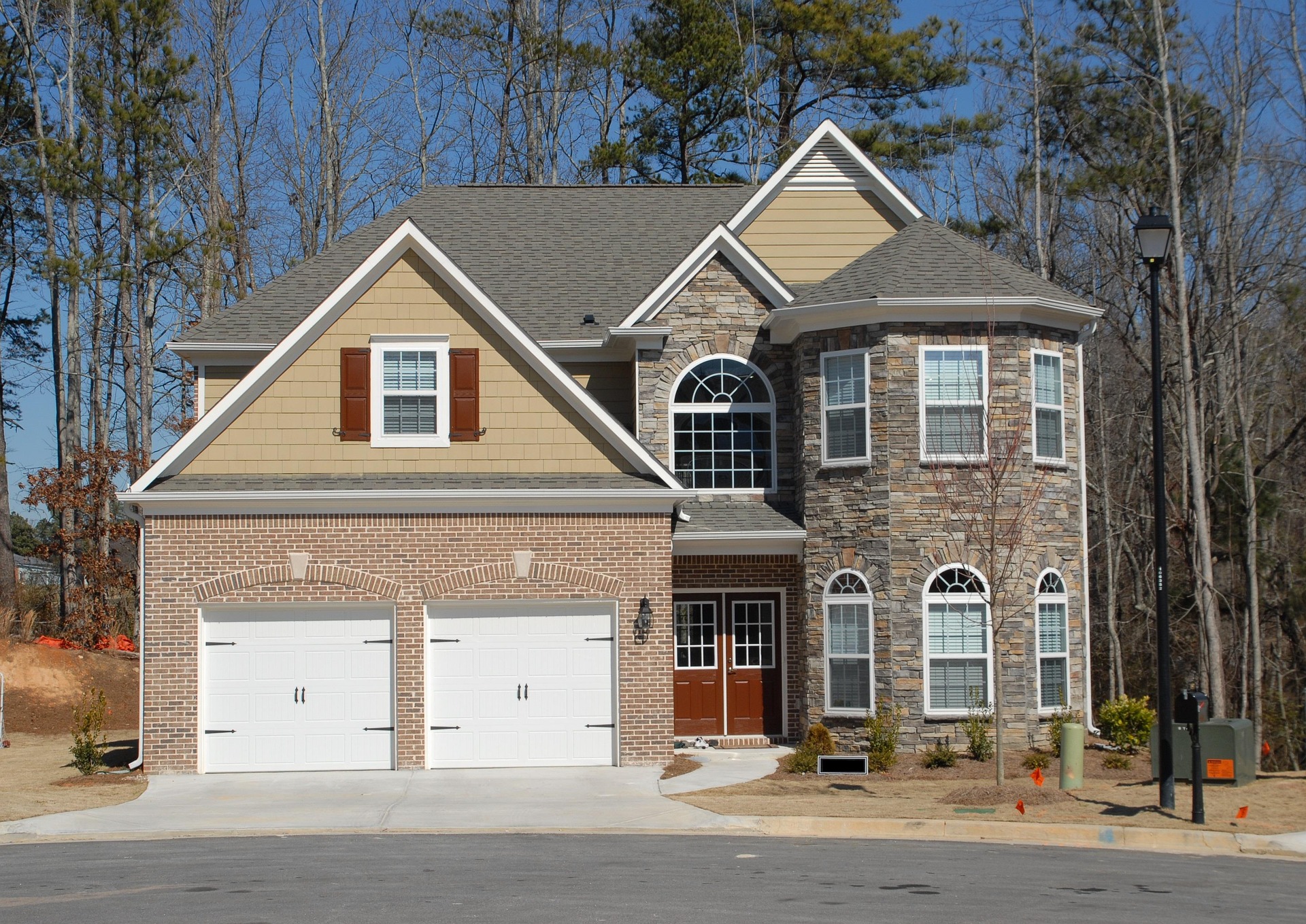
In Southern Alberta, mortgage decisions are as diverse as the landscape. Tailor your strategy to fit your unique circumstances.
Personalizing Your Mortgage Strategy
Your mortgage should align with your life. Consider your goals, risk tolerance, and future plans. Tailoring your mortgage means weighing the local market conditions against your personal needs. It’s not just about picking rates but crafting a plan that provides peace of mind.
Consulting with a local broker can help personalize your strategy. They understand the Southern Alberta market and can guide you through the process. Personalized advice ensures your mortgage fits your lifestyle, not the other way around.
Importance of a Side-by-Side Rate Analysis
Comparing rates side by side gives you the full picture. Look beyond just the numbers. Analyze the terms, penalties, and benefits. This comprehensive view helps you make an informed decision.
A local broker can assist with this comparison, offering insights specific to Southern Alberta. They can point out nuances you might miss. This analysis is a crucial step in securing the best mortgage for your situation.
Securing a Rate Hold and Planning for Payment Shocks
Securing a rate hold protects you from future rate increases. It locks in your rate for a set period, usually up to 120 days. This gives you time to plan without the pressure of rising rates.
Planning for potential payment shocks is also important. If you’re considering a variable rate, prepare for changes in payments. Budget for the maximum possible payment to ensure you’re ready for any situation.
Frequently Asked Questions
What is the main difference between fixed and variable rates?
Fixed rates offer consistent payments, while variable rates fluctuate with the market. Fixed rates provide stability, and variable rates offer potential savings if rates drop.
How do I decide between fixed and variable rates?
Consider your financial goals, risk tolerance, and future plans. If you prefer stability, fixed rates are ideal. If you anticipate rate drops and can handle payment changes, variable rates might be better.
What are the risks of a variable rate mortgage?
Variable rates can lead to fluctuating payments, which might increase if market rates rise. It’s important to have a financial cushion to absorb potential payment shocks.
Can I switch from a variable to a fixed rate?
Yes, many lenders allow conversion from a variable to a fixed rate. Check the terms with your lender for any fees or conditions associated with switching.
Why is a rate hold important?
A rate hold locks in your interest rate for a period, protecting you from increases while you finalize your mortgage. This gives you peace of mind as you prepare for your home purchase.